
Resources
Hello parents and friends!
I’ve put together a resource link with helpful information on the topics explored throughout the series — like ADHD, making friends, and more.
I’ve also included suggestions I’ve personally found helpful along the way. Please note these are based on my own family’s experience and aren’t clinically proven recommendations — just things that have worked for us and that I hope might help you too.
And don’t forget to check out the “Shop” page – where I’ve created tools for kids that go with the books.
*Did you know that ADHD kids hear 20,000 MORE negative messages about themselves than a non-adhd kid by the age of 10 years old? 20,000 – that’s a lot of negativity that they’re having to carry. I created “Positive Post” (postcards) for parents and friends to send a positive message to a child they care about and “Superhero” cards for kids- “What is your superpower of the week?”
ADHD (topic from book 1)
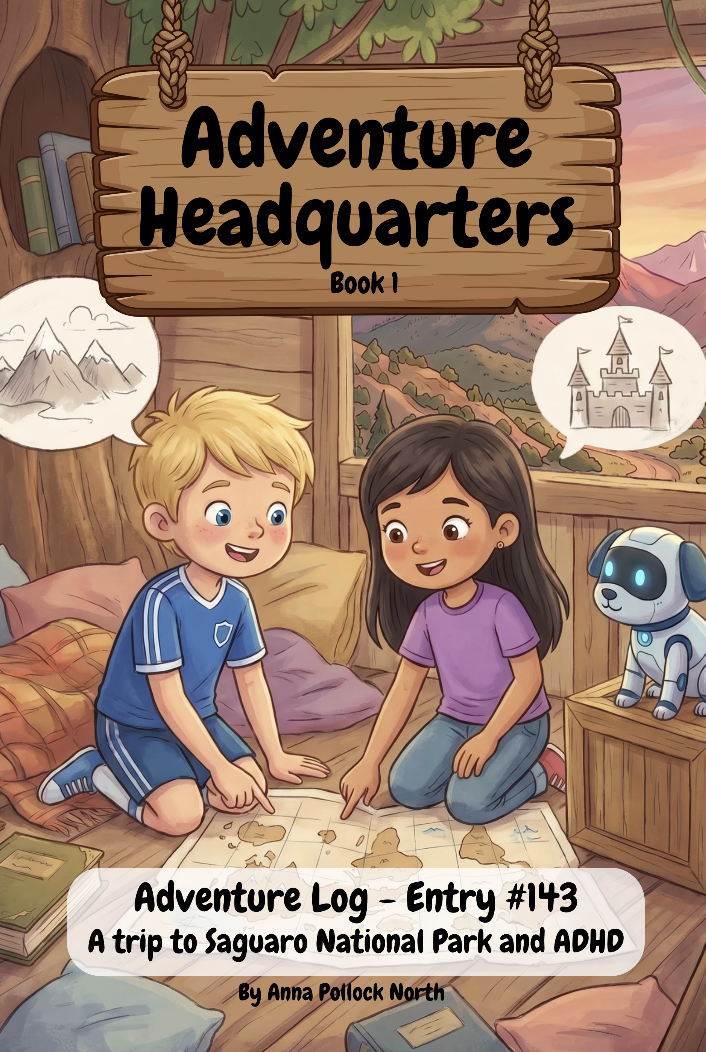
ADHD 101: A Quick, Friendly Guide for Parents
If you’re new to the world of ADHD (Attention-Deficit/Hyperactivity Disorder), here’s the short version: it’s one of the most common ways kids’ brains can be wired differently when it comes to attention, impulse control, and activity levels. And here’s the big thing to remember — it’s not about bad parenting or a kid not trying hard enough. It’s just how their brain works, often passed down through genetics.
ADHD usually shows up in a few different ways, and kids might experience one or a mix of these:
- Inattention — zoning out, losing track of things, or having a hard time focusing on one task at a time.
- Hyperactivity — that “always on the go” energy, fidgeting, or trouble sitting still.
- Impulsivity — blurting things out, jumping into things without thinking first, or struggling to wait their turn.
No two kids with ADHD look exactly the same. Some are more the daydreamy, easily-distracted type, others are bouncing-off-the-walls energetic, and some are a mix of both! It can also show up differently depending on where they are — maybe your kid does great at home but has a tougher time at school, or the other way around.
Here’s the good part: with the right tools — like routines, ways to help them recenter their emotions, honest conversations, and support when needed — kids with ADHD can truly thrive. So many ADHD brains are wildly creative, full of energy, and deeply passionate about the things they love. Learning how your child’s brain works isn’t about labeling them as “different” — it’s about helping them feel confident, understood, and capable of amazing things.
And if you think your child might have ADHD, chatting with your pediatrician or a specialist is always a great next step to get an official diagnosis and guidance made just for you.
RESOURCES:
Some advice that I found: Technology (oh boy)…. technology (tablets, TV, Phones) really set off my kiddo with ADHD. It becomes an addiction and when he’s told to turn it off, a battle occurs. I really limit the time he spends – either by removing his iPad completely, or using the parent controls (if you connect a child’s iPad to your apple account, you can set time limits for each game and app and even turn the iPad off). He has to ask me for more time – which I can use to my advantage, but telling him – “ok you need to read for 15 mins then I’ll give you 15 mins of iPad time,” or “you need to clean your bathroom or do a chore, then I’ll give you more time.” It’s a great modivator.
Sugar – this is a hard one and I have listed a suggestion below… even breakfast cereal (which contains a good amount of hidden sugars) can set him off and make it harder for him to control himself. When I went on Keto diet, I decided to make him the same foods that I was having and it made a huge difference in the morning.
• He really enjoyed making his own eggs each morning before school and the Keto toast with some sugar free jelly made him feel normal (like he wasn’t missing out with the rest of the family).
• Instead of sugary treats and desserts, we tried bananas with a drizzle of sugar free chocolate sauce, or sugar free popsicles.
Keeping up with sugar intake with your kiddo can be a challenge, but I found that finding alternatives can make a difference in how my child responded to direction and how they get through the day.
Check out some recipe ideas that we have found to be a hit!
A message for parents and guardians:
I want all parents and guardians of ADHD and neurodivergent kids out there to know – you are not alone. Unfortunately, many parents, myself included, have felt isolated and judged based off their child’s behavior. Much of society unfairly equates a child’s ADHD symptoms with poor parenting – when this is (in most circumstances) NOT the case. Emotional dyregulation, impulsive behaviors in public and outbursts are not only challenging on the child, but also lead to extreme exhaustion and stress on the parent. Add to that, public judgement and even from family – parents can feel isolated and overwhelmed in the experience.
• First, take a breath and know that you are not to blame. In most cases, neither is your child. Shift your perspective to realize that your child is not trying to give you a hard time, but they are having a hard time.
• Ignore the onlookers or members of society who judge. If you talk to a friend who is constantly judging, even after you explain the situation, then maybe they are not a friend worth having – sorry if that’s a harsh, but this is your kid. Find friends who can support you and your child in this journey – they’re the ones worth having as friends. There are amazing people out there who are going through the same experiences and can not only sympathize, but can give support and even advice that has worked for them.
• Find resources that can help you through this as well – this is not only a difficult time for your child, but also for you and your family. Find something that works for you and your family and do not blame yourself. Make sure to support yourself and others going through the same situation. I’ve found this link helpful as well: ADDitude article
If you feel overwhelmed, talk to your doctor and consider a therapist, who can work with you to balance the stress and work through this journey.
One of my favorite links:

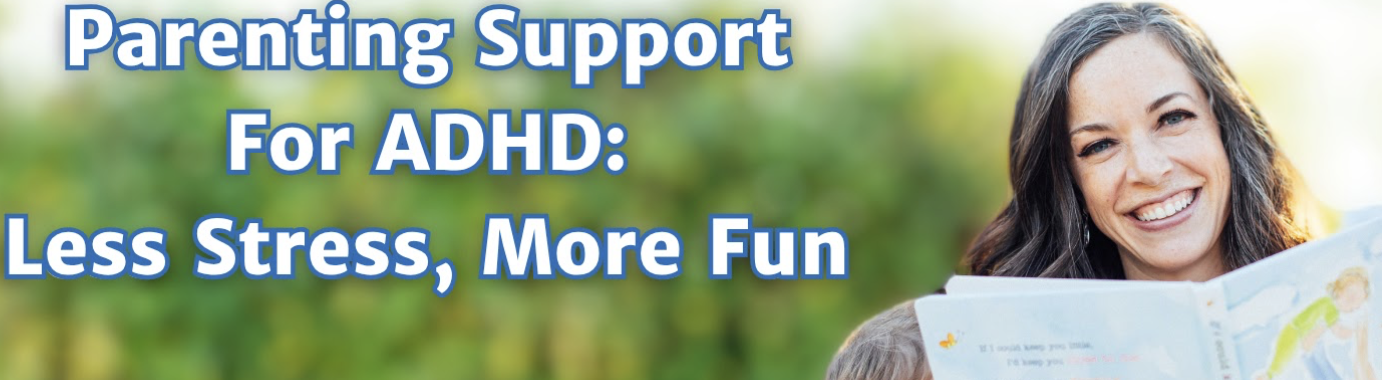
ADDitude Magazine, is not just a magazine but a great website. You can sign up for their newsletters and even classes.
I have really enjoyed using this as a resource (website below)… not only do they have great articles and webinars, but they cover a wide variety of topics having to do with ADHD: from food/nutrition, sleep, medication, and other tools.
Another link I have enjoyed watching is Doctor Jacque’s youtube channel, where she gives helpful advice and tools to use.
One of my favorite books:
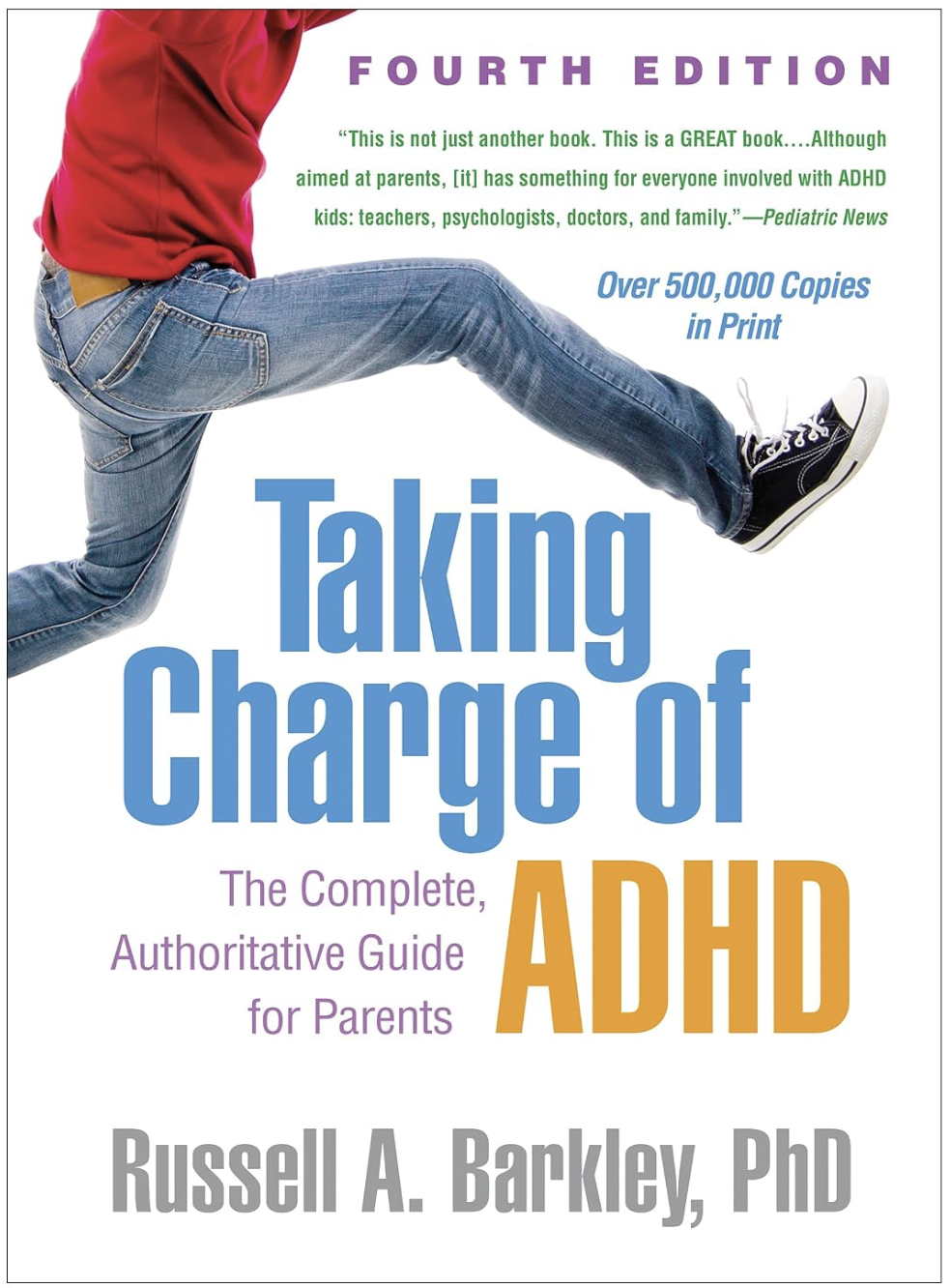
Russell Barkley is an internationally recognized authority on ADHD and considered the “grandfather” of ADHD.
I have appreciated this book and also his youtube channel where he debunks alot of myths that suggest that ADHD is called by bad parenting or sugar (NOT the case).
In my opinion, this is a good book to start with.
One of my favorite APPS:

MOSHI KIDS: (Not only for ADHD kids, but all kiddos)
Have a kid who really struggles to calm down or go to sleep?
I LOVE “Moshi Kids App:”
It’s an award winning app that has bedtime stories, white noise, calming sounds, activities and more!
My son has listened to the SAME bedtime story for the last 2 years (literally every night for two years – the same bedtime story). He loves it and it helps keep him in bed and he falls asleep faster than without it.
Some Products I've found helpful:
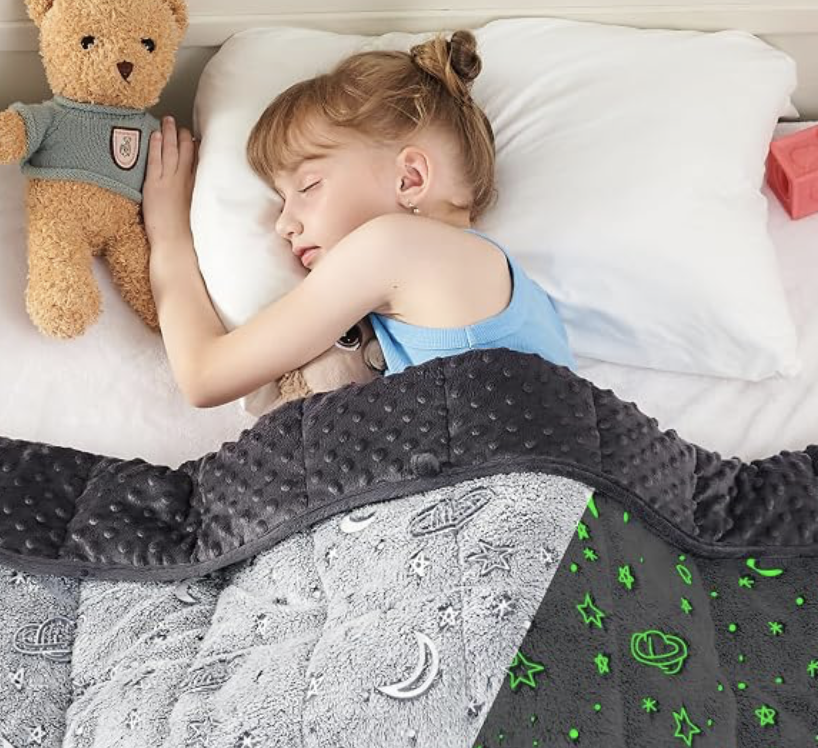
Weighted blankets: both my kids have used these, especially when they’re little. It has really helped them go to sleep and stay asleep. The light pressure helps increase serotonin and reduce cortisol – which can help improve sleep quality and regulate emotions. I noticed that my kids had a more restful sleep and woke up fewer times with this.
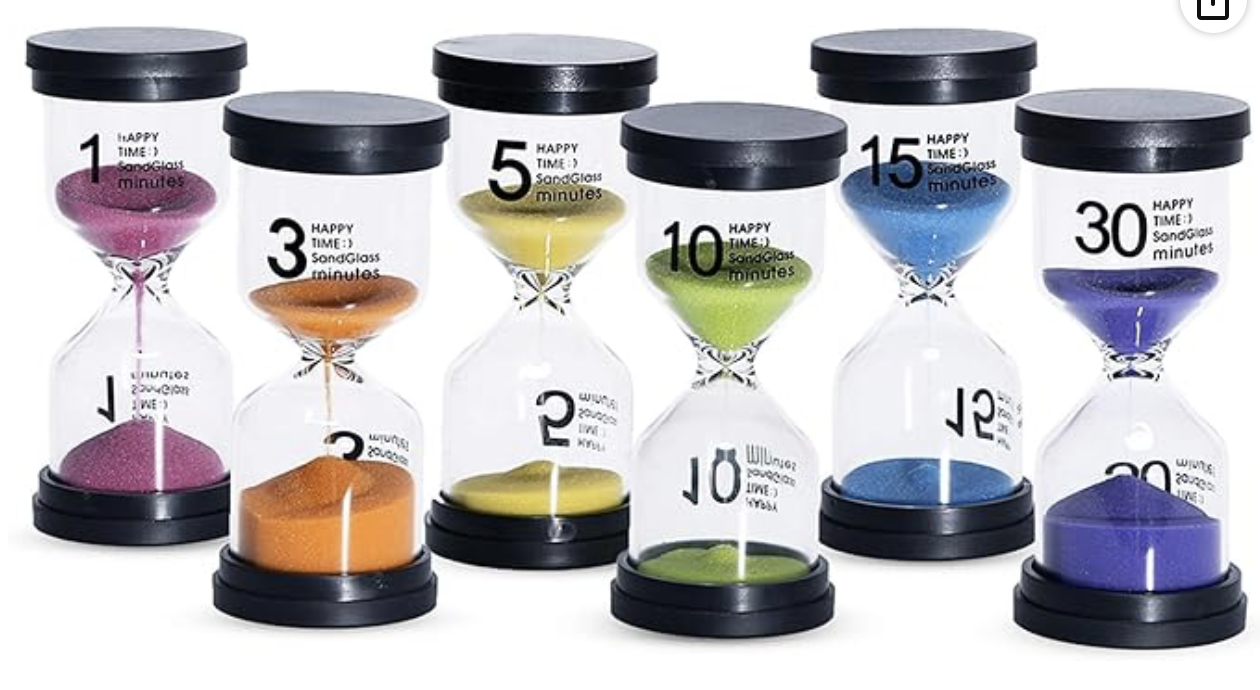
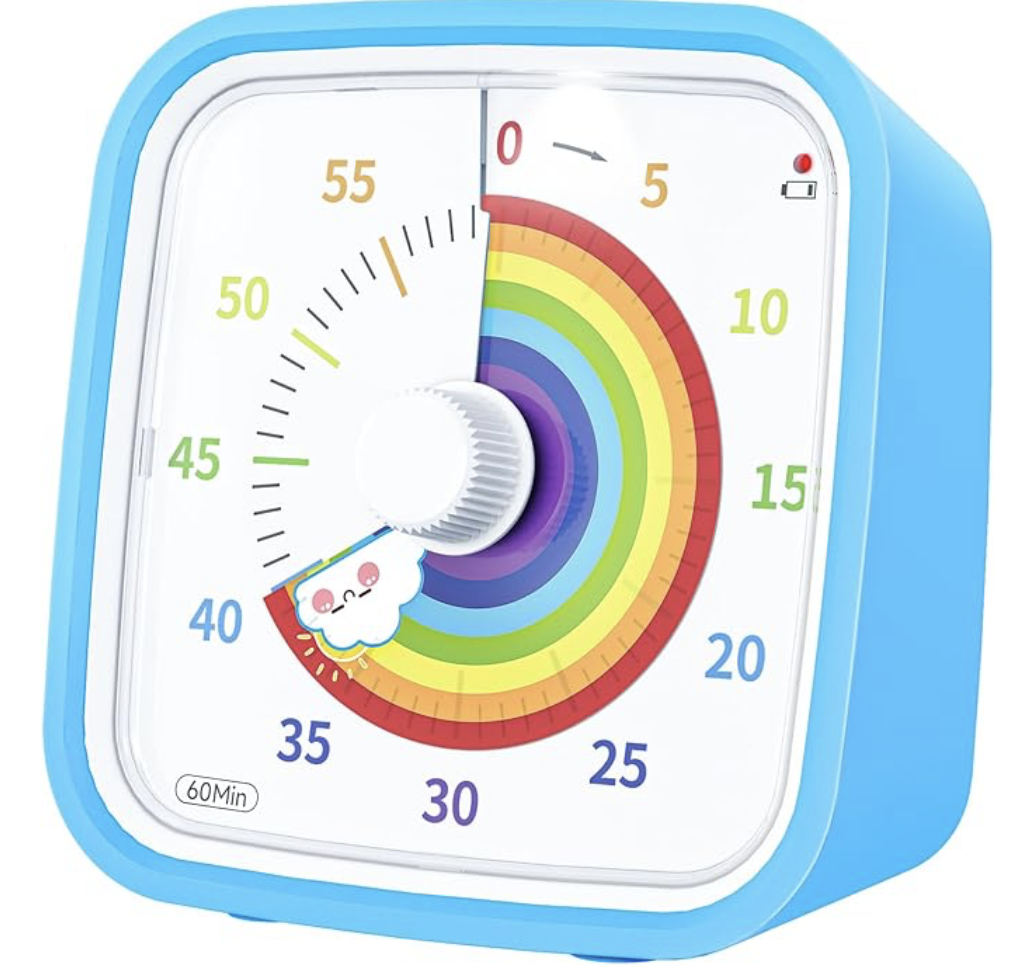
Timers: we’ve used a couple different types of timers.
This sand timer worked really well when the kids were little – they liked seeing the sand falling down. We used this for timing them with a chore, time outs, and time reading or doing something educational.
Another time that we switched to, was a version they could see the countdown in actual numbers.
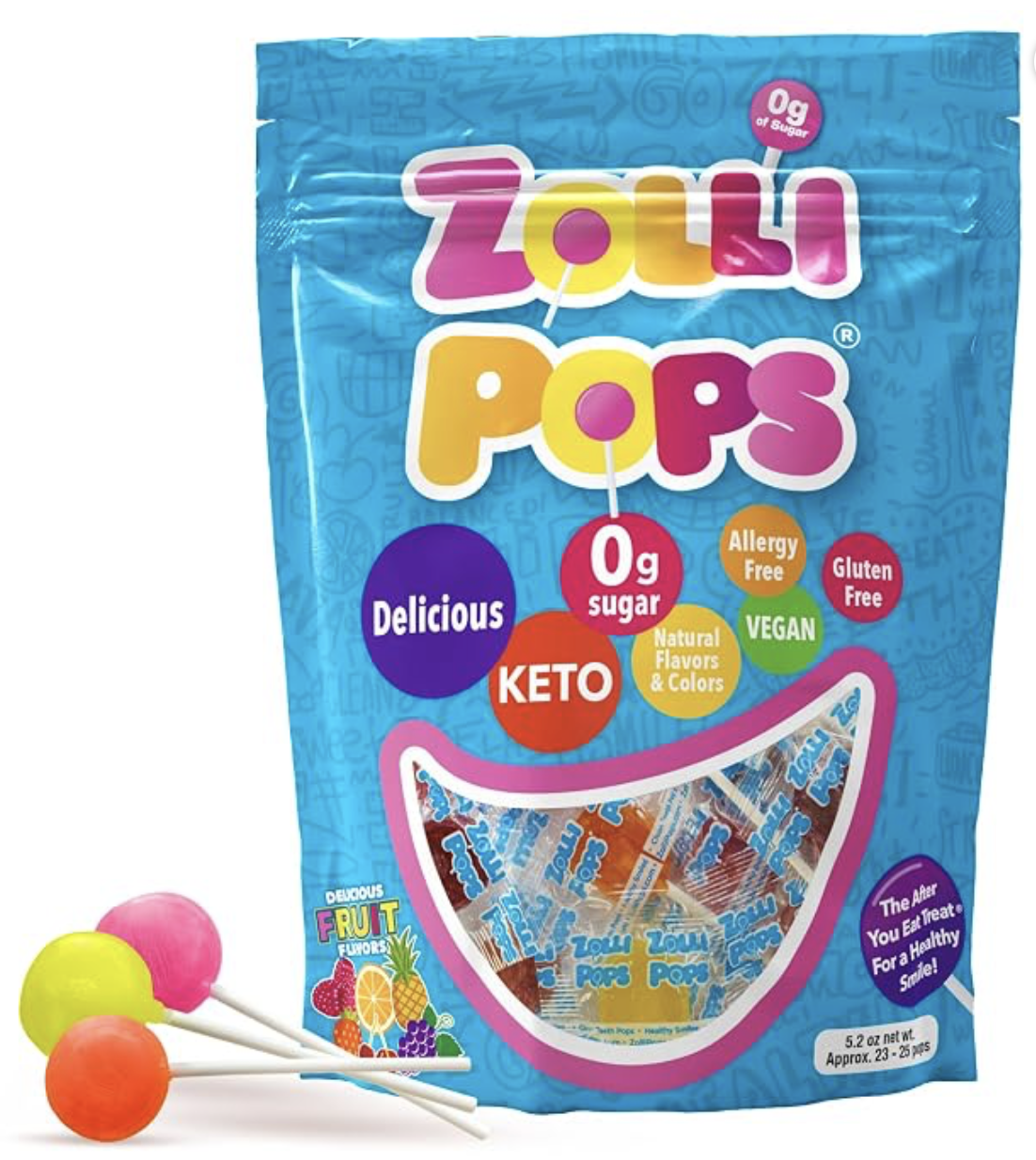
SUGAR alternatives:
This has to be one of the hardest issues with my son’s ADHD. He has a crazy sweet tooth, but sugar REALLY sets him off. Like double the energy and makes it impossible to redirect him.
It’s was a challenge to give my daughter a treat, but leave him out or giving him fruit – “that’s not fair!” And I totally agree. We found these sugar free alternative candies – and get this made by a kid! – that taste great and are also good for teeth! Yup, you heard me right, good for teeth AND sugar free!
Every morning before school, if my son had done his (printed) morning routine list (get dressed, eat breakfast, comb hair, wash face, put dishes in sink, shoes on, backpack) he could have a Zolli while waiting for the bus. It was a positive reinforcement “treat” that made mornings easier!
(PS – I love them too and use when I’m on Keto!)
Lollipops
DISCLOSURE INFORMATION: Yes I want you to be informed and aware.
DISCLOSURE: I am not a medical professional, therapist, or licensed expert in ADHD or child psychology. The information, resources, and suggestions shared here come from my personal experience as a parent and are intended for general informational purposes only — not as medical, psychological, or professional advice. Please consult a qualified healthcare provider or specialist for guidance specific to your child.
AI disclosure: The illustrations in this book were created with the help of AI. I’ll be honest — I’m not a good illustrator, and hiring one for a full book series wasn’t something I could afford while trying to bring this story to life. AI became a tool that let me get this book into the hands of kids and families who need it, without that cost being the thing standing in the way. The story, the heart, and the mission behind these books are all mine — AI was simply a partner in helping me visualize it.
ITEM LINKS:
As an Amazon Associate I earn from qualifying purchases, through the links I’ve posted for Amazon products. I use earnings earned to keep this website up and running.